


Nature Conference Report: Prof. Hongjie Dai at the Next-Generation Fluorescence Microscopy Conference in Beijing
Source: Nature (Nature Conferences feature)
Article: Bringing life into sharper focus
Conference: Nature Conference — Next-Generation Fluorescence Microscopy
Date / Venue: 18–20 September 2026 · Tsinghua University, Beijing, China
Original article: https://www.nature.com/articles/d42473-026-00297-w
About the feature
In September 2026, the Nature Conference on Next-Generation Fluorescence Microscopy was held at Tsinghua University in Beijing, co-organized by Tsinghua University and Nature Photonics, Nature, Nature Biomedical Engineering, Nature Biotechnology, and Nature Communications. The conference brought together researchers in optics, biomedical science and bioengineering to discuss super-resolution imaging, intravital imaging, mesoscale microscopy, and the role of computational approaches and artificial intelligence in next-generation imaging.
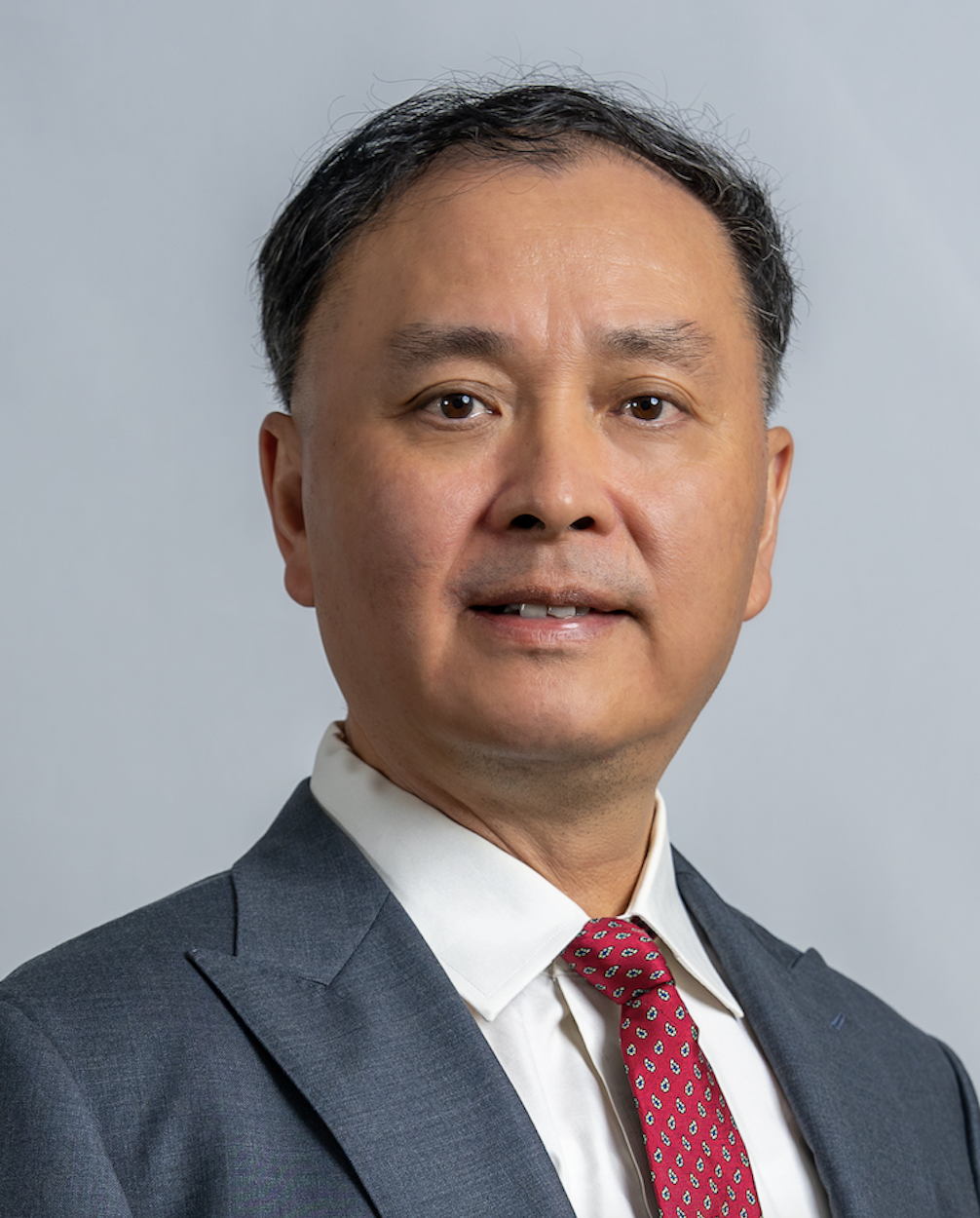
Prof. Hongjie Dai, Chair Professor at The University of Hong Kong and a PI / Advisory Board member of MILES, was among the featured speakers interviewed for the conference report. He identified real-time, three-dimensional molecular imaging at the single-cell level in mammals — including humans — as one of the field's greatest challenges, central to understanding disease and guiding clinical intervention, and described the long-term goal of developing visualizable medicine at the molecular and cellular scales for clinical translation.
"One of the biggest challenges is molecular imaging down to the single-cell level, in real time and in three dimensions, in mammals, including humans, to understand diseases and guide medical intervention. … An ultimate goal of our research is to develop visualizable medicine at the molecular and cellular scales for clinical translation."
— Hongjie Dai, The University of Hong Kong, as quoted in the Nature conference feature
Prof. Hongjie Dai is Chair Professor of Chemistry at The University of Hong Kong, with joint appointments in Materials Engineering and the School of Medicine. His research spans nanoscience, nanomedicine and biomedical engineering, including near-infrared-II / short-wavelength infrared (NIR-II / SWIR) molecular imaging for cancer and immunology, and nano-vaccines.
Read the original article: Bringing life into sharper focus — Nature